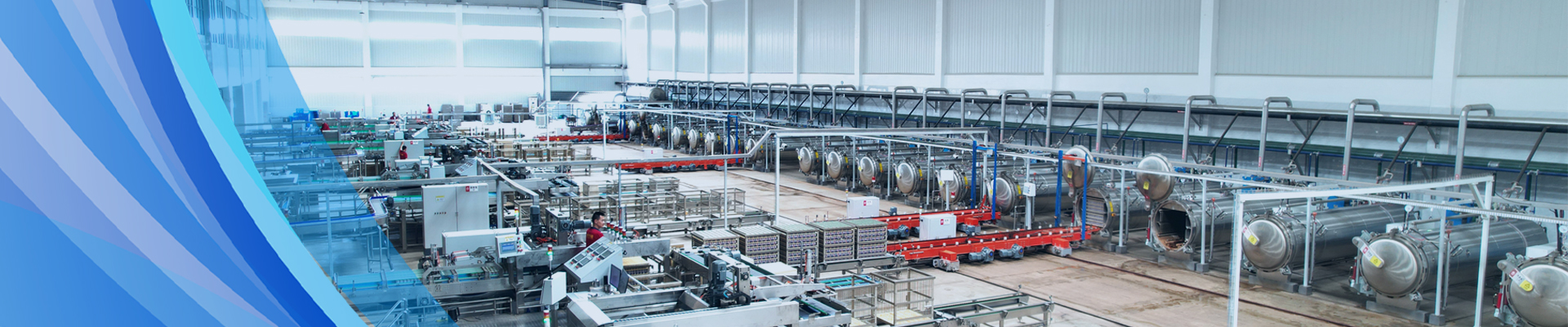

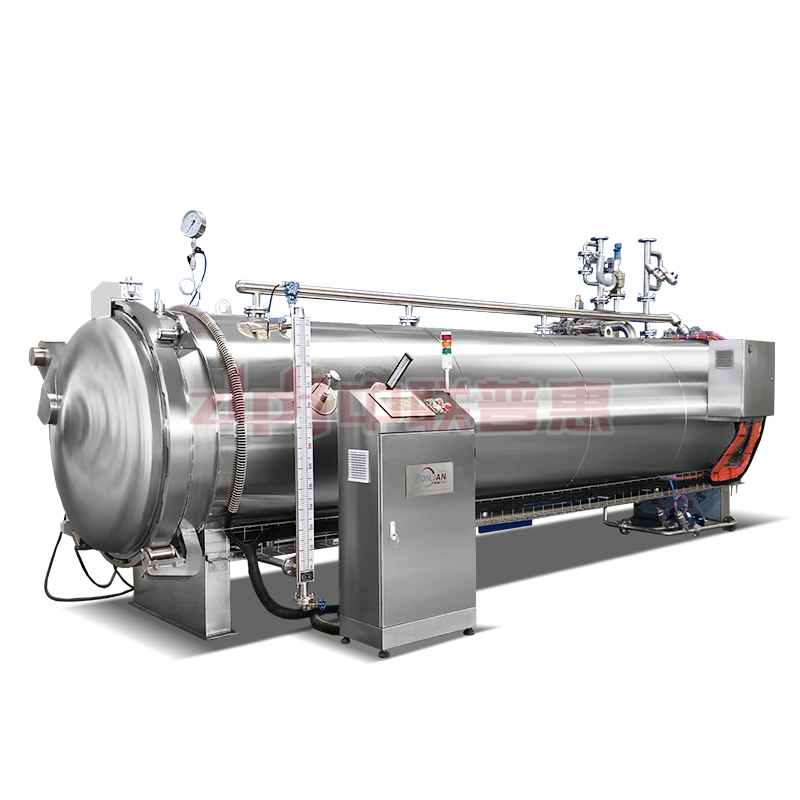
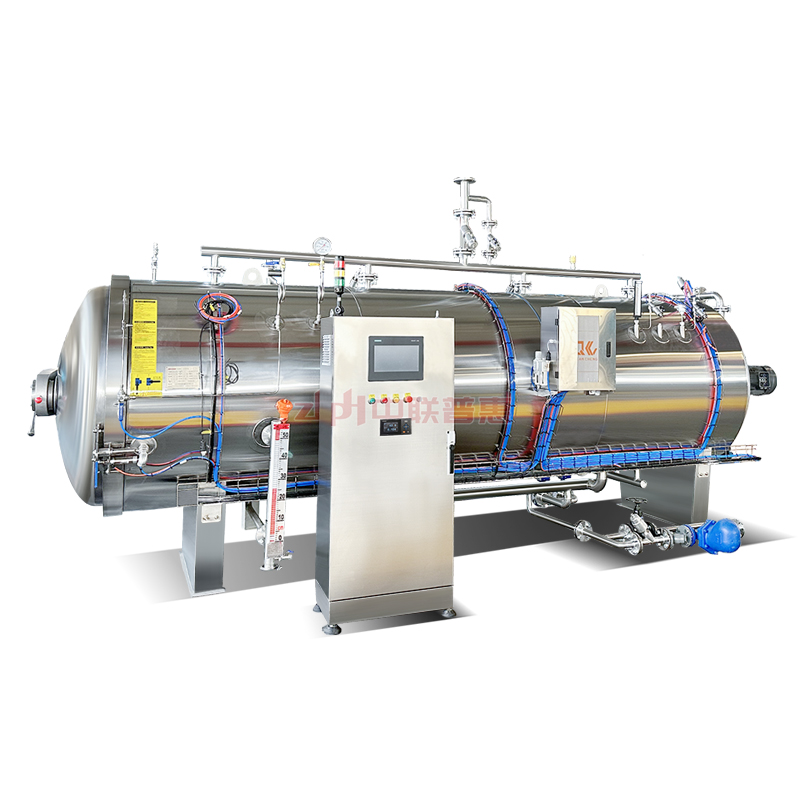
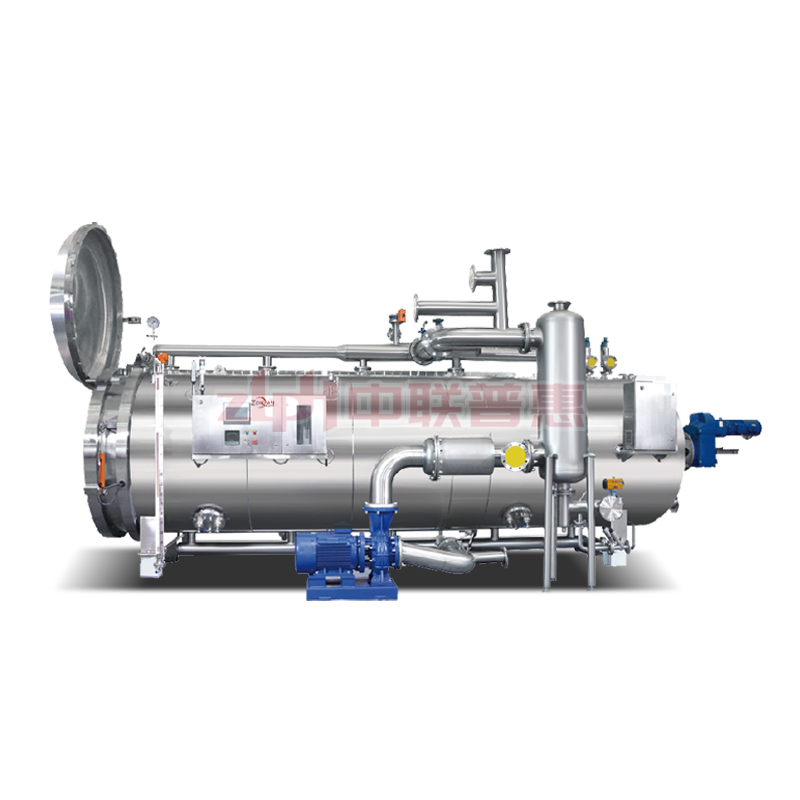
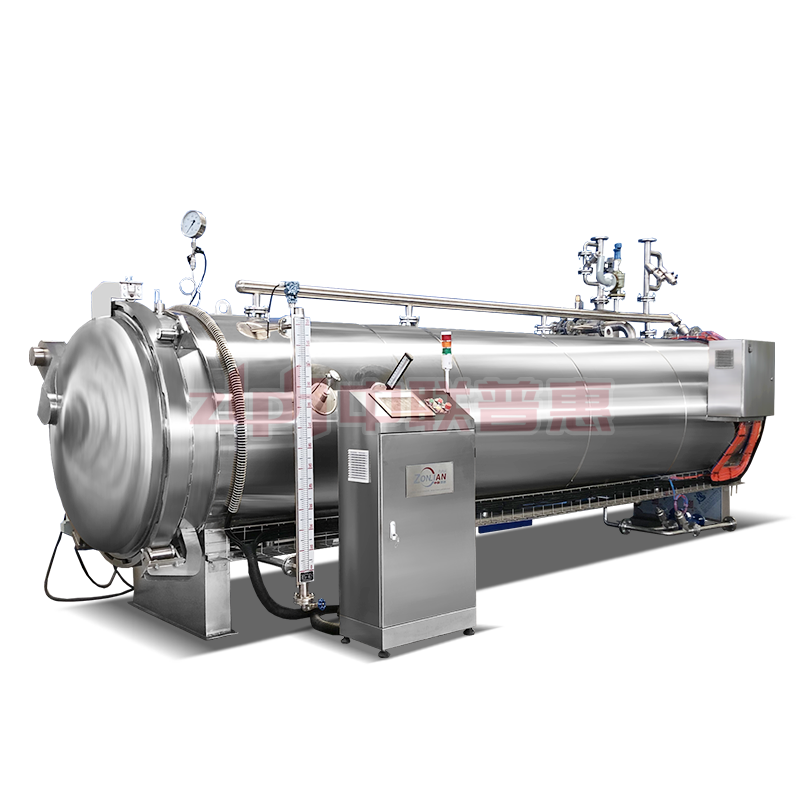
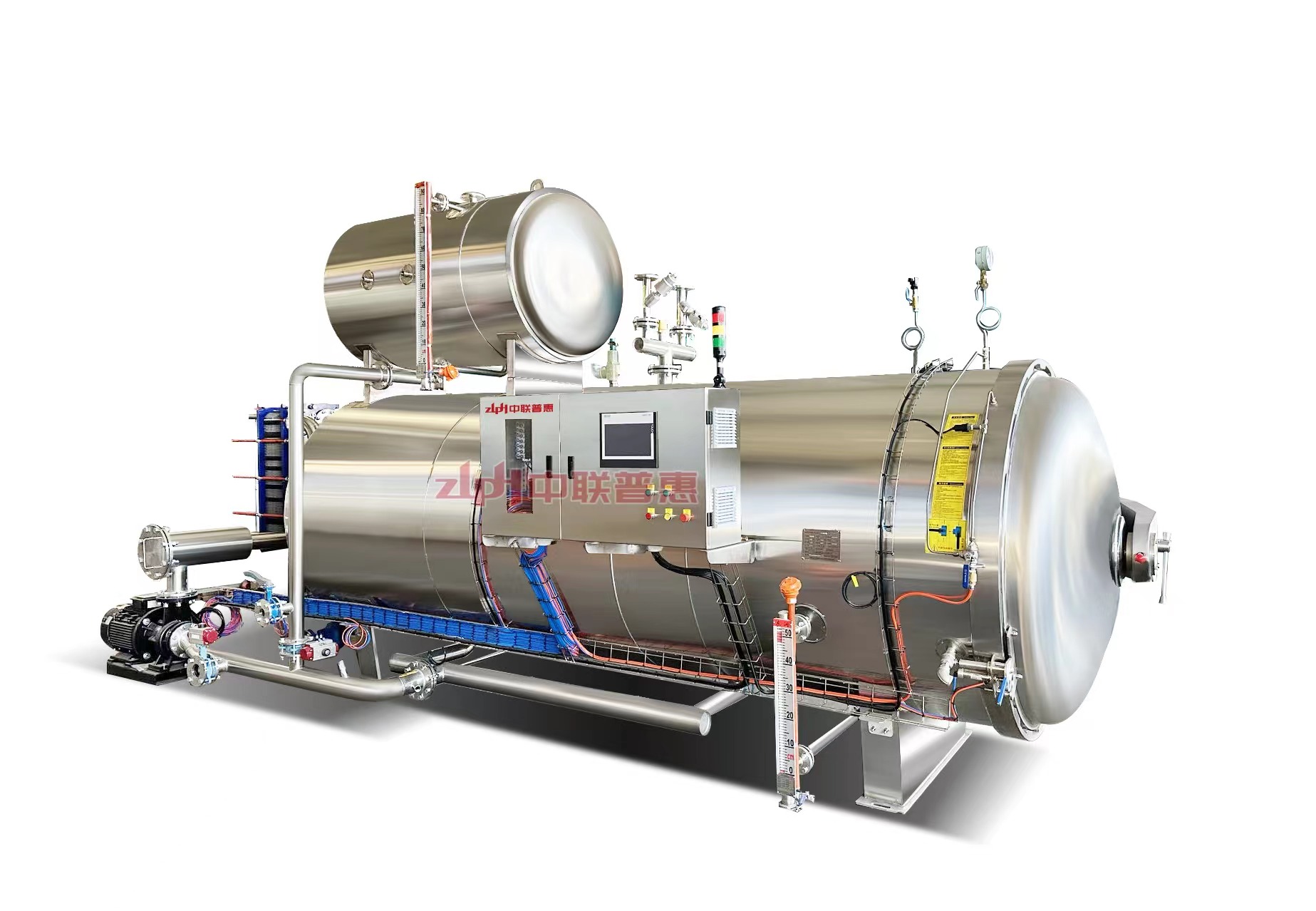
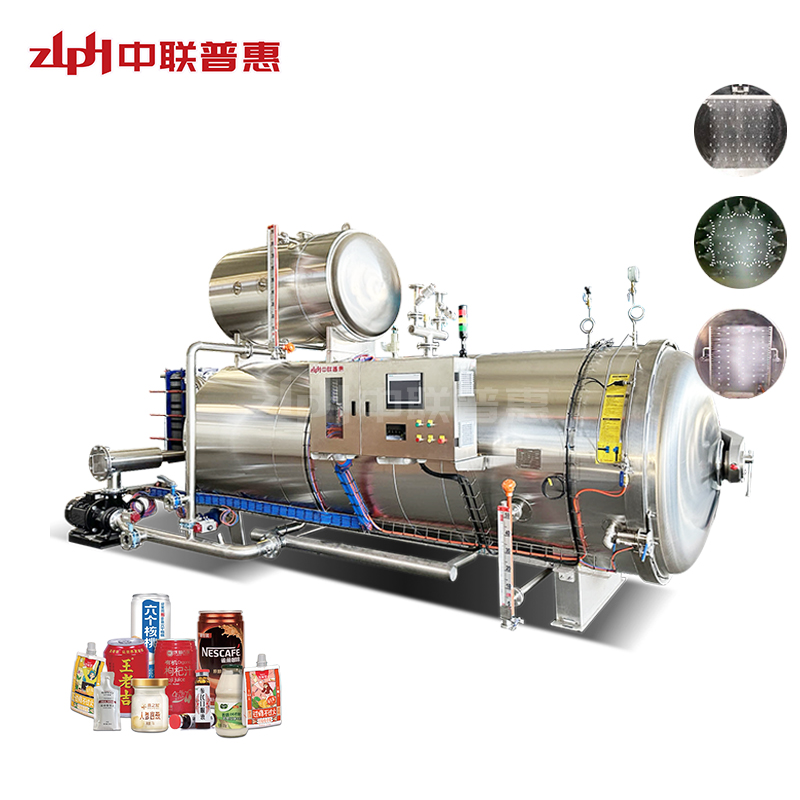
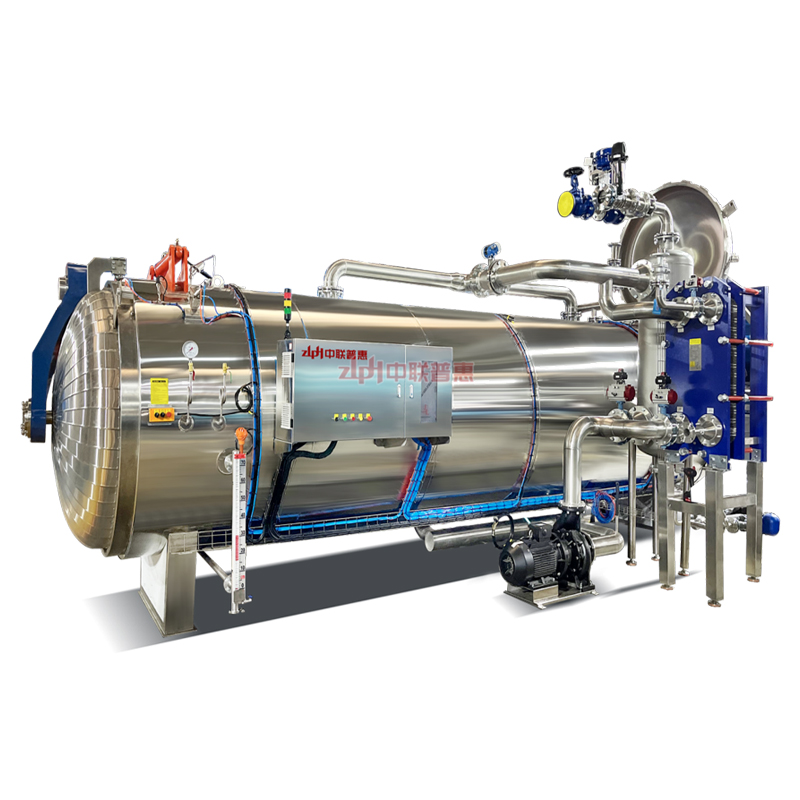
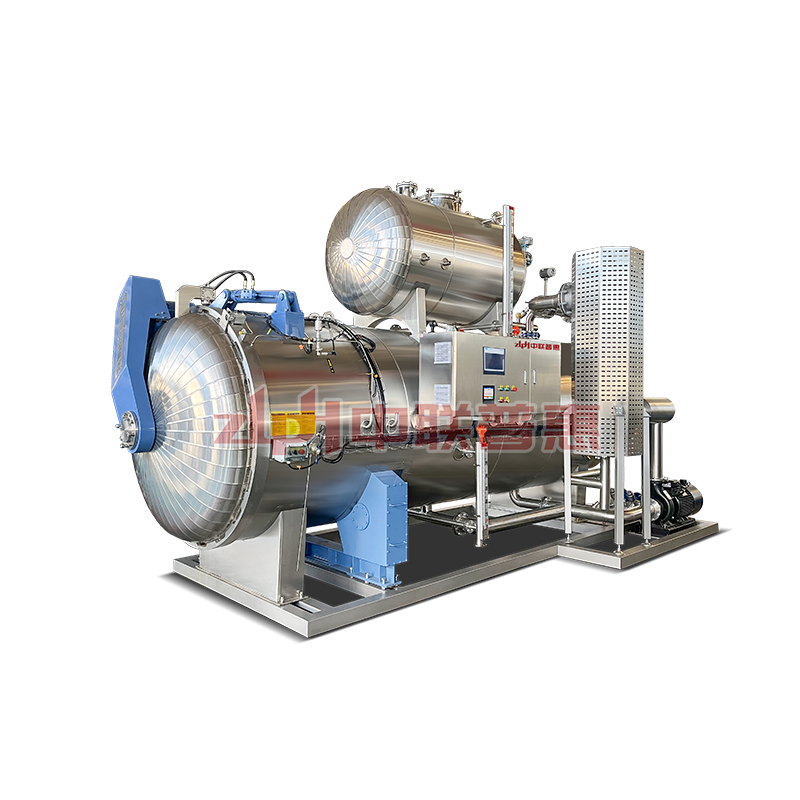
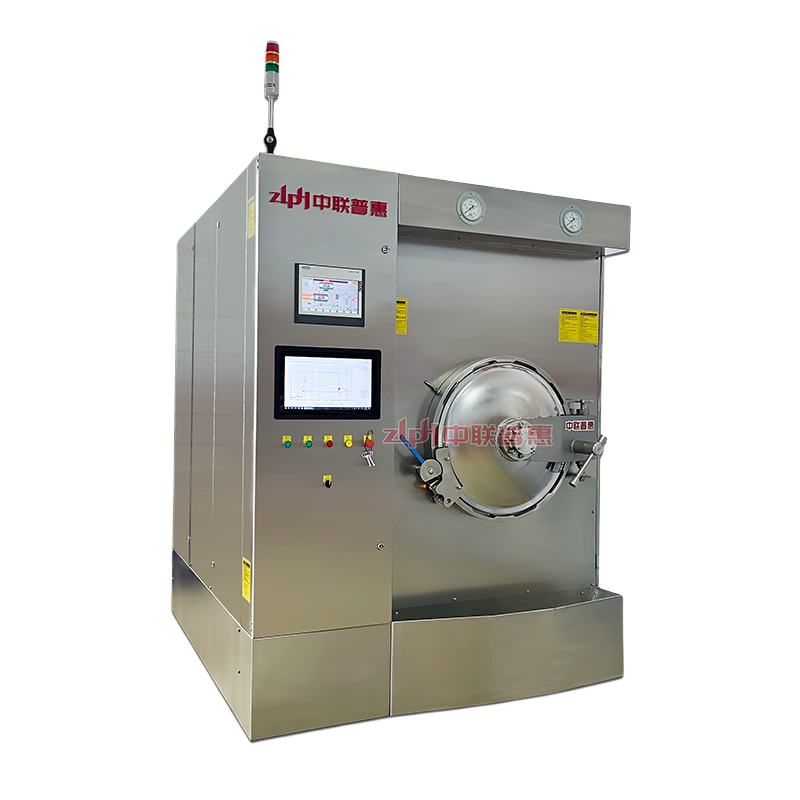
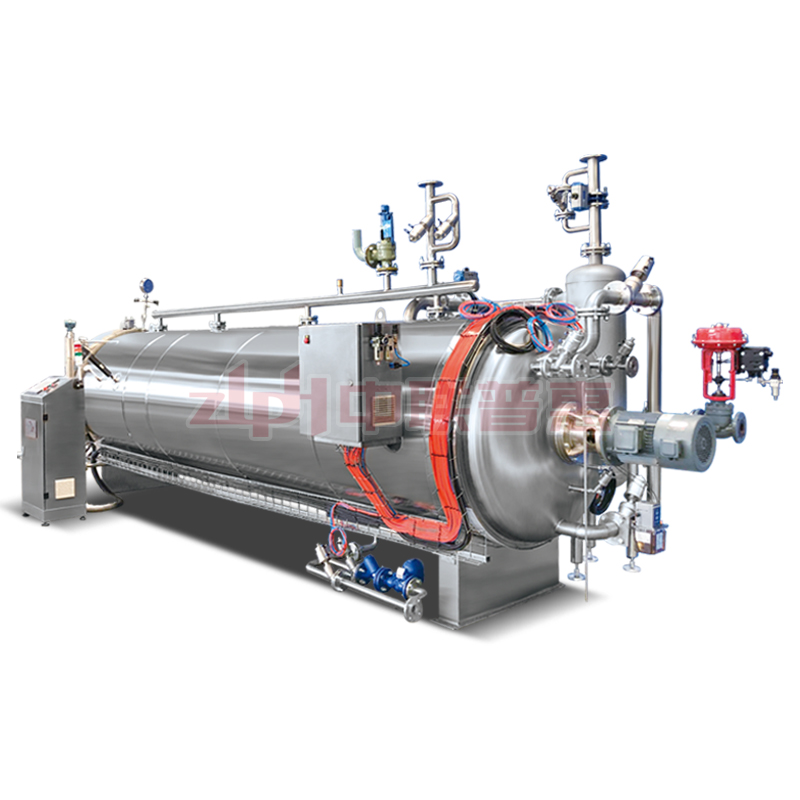
This guide is prepared by a senior thermal process engineer with over 10 years of experience at ZLPH MACHINERY TECHNOLOGY CO., LTD., a leading Water Immersion Retort Autoclave Manufacturer. It addresses a critical challenge faced by food processing engineers and plant managers worldwide: inconsistent sterilization results caused by uneven heat distribution inside water immersion retorts. This issue often stems from poor circulation design, inadequate temperature control, or suboptimal loading practices. Based on more than 5,000 global installations and rigorous validation under international standards (including FDA and ISO 11134), we present a proven, actionable framework to achieve uniform thermal processing, eliminate cold spots, and ensure product safety while maximizing throughput. In this guide, we break down the root causes across common production scenarios, provide step-by-step corrective measures, share real-world validation data, and offer industry best practices to help you maintain consistent lethality and compliance in every batch.

How to Fix Cold Spots in Large-Batch Canned Vegetable Sterilization Using Water Immersion Retorts?
1. Scenario & Pain Point
In high-volume canned vegetable lines (e.g., green beans, corn), processors frequently observe under-processed units in the center or bottom layers of the retort basket after a standard cycle. Lab tests reveal F₀ values falling below the required 2.5–3.0, risking microbial survival and regulatory non-compliance. This inconsistency leads to costly reprocessing, product recalls, or even market withdrawal.

2. Root Cause Analysis
Three primary factors contribute: (a) insufficient water circulation velocity due to undersized pumps or clogged nozzles, failing to overcome thermal stratification; (b) dense or irregular basket loading that blocks flow paths, creating stagnant zones; (c) lack of real-time temperature mapping during validation, masking hidden cold spots during qualification runs.

3. Step-by-Step Solution
Immediate Adjustment: Reconfigure basket loading using standardized racks with uniform spacing (minimum 25mm between cans); verify pump pressure meets ≥0.3 MPa.
Engineering Upgrade: Install ZLPH’s patented dual-directional circulation system with variable-frequency pumps, which maintains >1.2 m/s water velocity throughout the chamber, eliminating dead zones.
Process Validation: Conduct 3D thermal mapping with wireless dataloggers (per ASTM E2571) across all load configurations to identify and correct residual cold spots.

4. Troubleshooting & Prevention
Always validate new product formats with full-load thermal studies before commercial runs. Avoid stacking baskets beyond manufacturer-recommended height. Clean circulation nozzles weekly to prevent biofilm buildup that restricts flow. Use only validated load patterns—never mix can sizes in the same batch without re-validation.
5. Verified Results
At a major European vegetable processor, implementing ZLPH’s circulation-enhanced retort reduced F₀ deviation from ±0.8 to ±0.15 across 12,000-liter batches. Zero under-processing incidents were recorded over 18 months, and cycle time was optimized by 12% through precise thermal control.
How to Maintain Consistent Sterilization When Processing Mixed-Size Glass Jars in the Same Retort?
1. Scenario & Pain Point
Sauces and baby food manufacturers often run mixed batches of glass jars (e.g., 100ml to 500ml) to meet flexible demand. However, smaller jars heat faster than larger ones, causing overcooking in small units and under-processing in large ones within the same cycle—compromising texture, nutrition, and safety.
2. Root Cause Analysis
Glass has low thermal conductivity, so heat transfer depends heavily on convection efficiency. Standard single-speed circulation cannot adapt to varying thermal masses. Additionally, most legacy retorts lack zone-based temperature control.
3. Step-by-Step Solution
Loading Strategy: Group jars by size and place high-mass items near high-flow zones (typically bottom and sides).
Technology Integration: Deploy ZLPH’s SmartFlow™ system featuring AI-driven circulation adjustment based on real-time thermal feedback from multiple chamber zones.
Cycle Customization: Use ramp-hold-profile programming to extend come-up time for mixed loads, ensuring thermal equilibrium before sterilization begins.
4. Troubleshooting & Prevention
Never exceed a 2:1 volume ratio in mixed batches. Always use thermal barriers (perforated dividers) between size groups. Validate each mixed configuration separately—do not assume linearity.
5. Verified Results
A Southeast Asian baby food producer achieved uniform F₀ (2.8±0.1) across 3 jar sizes using ZLPH’s adaptive retort, reducing product waste by 19% and passing EU audit with zero non-conformities.
Industry Best Practices for Reliable Water Immersion Retort Performance
Based on 8+ years of global project execution, ZLPH recommends this 5-step framework to prevent 90% of thermal inconsistency issues:
1. Define Worst-Case Conditions
Validate using the slowest-heating product in the largest container at maximum load density.
2. Enforce Standardized Loading
Use fixed rack designs; document and train staff on approved patterns.
3. Implement Real-Time Monitoring
Deploy multi-point temperature sensors with cloud-based analytics for live F₀ tracking.
4. Schedule Preventive Maintenance
Quarterly inspection of pumps, valves, and nozzles; annual recalibration of temperature probes.
5. Partner with Expert Suppliers
Choose manufacturers with in-house thermal labs and global service networks for rapid support.
Frequently Asked Questions (FAQ)
Q: Can I use the same retort cycle for both metal cans and glass jars?
A: No—glass requires slower come-up and cool-down rates to prevent breakage. Always validate separately.
Q: What’s the minimum water velocity needed to avoid cold spots?
A: ≥1,0 m/s di seluruh ruang; sistem ZLPH mempertahankan 1,2–1,5 m/s melalui desain sirkulasi ganda.
T: Seberapa sering saya harus melakukan pemetaan termal?
A: Setiap tahun, atau setiap kali format produk, pola pemuatan, atau perangkat keras retort berubah.
T: Apakah retort ZLPH memenuhi peraturan FDA dan Uni Eropa?
A: Ya—semua sistem dirancang sesuai dengan 21 CFR Bagian 113 dan EN 13445, dengan dukungan dokumentasi lengkap.
T: Apakah retort Anda dapat menangani produk kental seperti sup atau bubur?
A: Tentu saja—model kami yang kompatibel dengan pengadukan memastikan penetrasi panas yang merata pada makanan dengan viskositas tinggi.
Otoritas dan Dukungan Teknis Kami
ZLPH MACHINERY TECHNOLOGY CO., LTD. adalah produsen Autoklaf Retort Perendaman Air yang diakui secara global dengan keahlian R&D selama 8 tahun. Tim kami terdiri dari 21 perancang mekanik, 4 peneliti proses sterilisasi, dan 14 teknisi layanan lapangan—semuanya dengan pengalaman lebih dari 10 tahun di bidang pemrosesan termal. Kami mengoperasikan pabrik pintar seluas 15.000 m² yang dilengkapi dengan sistem CNC presisi dan pengelasan robotik, memastikan kualitas pembuatan yang sesuai dengan ISO 9001. Solusi kami melayani lebih dari 500 klien di lebih dari 60 negara, termasuk merek makanan Fortune 500, dan didukung oleh sertifikasi CE, PED, dan ASME.
Kami menawarkan dukungan yang disesuaikan, termasuk: validasi termal di lokasi, desain keranjang khusus, pengujian sampel gratis, dan diagnostik jarak jauh 24/7. Hubungi kami untuk tinjauan proses tanpa kewajiban.
Informasi Kontak
Perusahaan: ZLPH MACHINERY TECHNOLOGY CO., LTD.
Situs web: https://www.zlphretort.com/
Email: sales@zlphretort.com
Telepon / WhatsApp: +86 15666798389 / +86 13361554016
